

Website privacy has quickly become one of the fastest-evolving areas of digital marketing. As businesses adopt more analytics platforms, advertising pixels, CRM integrations, and marketing automation tools, they’re also facing increasing scrutiny over how visitor data is collected and shared.
Recent demand letters and privacy lawsuits have left many organizations asking the same question: Could the marketing technologies on our website expose us to legal risk?
While the legal landscape continues to evolve, one thing is becoming increasingly clear. Businesses should understand how their websites collect visitor data, review their consent practices, and work toward privacy-first implementations that align with today’s emerging best practices.
Website Tracking Has Become a Legal Conversation
For years, website tracking was like the plumbing behind the walls. Business owners rarely thought about it, and neither did the people visiting their websites. Today, everyone is asking what is running behind those walls.
The technologies marketers rely on every day to measure website performance are increasingly becoming the subject of privacy litigation.
California continues to lead the country in privacy regulation through laws such as the California Consumer Privacy Act (CCPA) and the California Privacy Rights Act (CPRA), giving consumers greater control over how businesses collect and share personal information. More recently, California adopted additional regulations requiring certain businesses to conduct risk assessments, cybersecurity audits, and provide greater transparency around automated decision-making.
At the same time, lawsuits filed under the California Invasion of Privacy Act (CIPA) have increased significantly, with plaintiffs challenging the use of common website technologies including Google Analytics, Meta Pixel, chat widgets, session replay software, and marketing cookies. While CIPA was originally written in 1967 to address telephone wiretapping, it has increasingly been applied to modern website technologies.
This does not necessarily mean businesses have been doing anything wrong. It does mean the expectations surrounding website privacy have changed. As those expectations continue to evolve, organizations should better understand how their websites collect visitor data and whether their current practices reflect today’s privacy standards.
A Cookie Banner Alone May Not Solve the Problem
Many organizations assume that adding a cookie banner is enough to address website privacy concerns.
Unfortunately, it is often more complicated than that.
A consent experience is only as effective as the technical implementation behind it. Depending on how a website is configured, analytics platforms, advertising pixels, CRM integrations, and other tracking technologies may begin loading before a visitor has had the opportunity to provide consent.
Installing a cookie banner without controlling tracking scripts is like putting a stop sign at the end of the street instead of the intersection. The message is there, but traffic has already moved through.
As privacy expectations continue to evolve, many organizations are implementing consent management platforms that delay non-essential tracking until consent is received, particularly for visitors in states with more comprehensive privacy laws.
Privacy Is Becoming Part of Good Website Governance
Businesses do not need to panic, nor do they need to abandon analytics or marketing technology. These tools remain valuable for understanding customer behavior and improving marketing performance.
What is changing is how they should be managed.
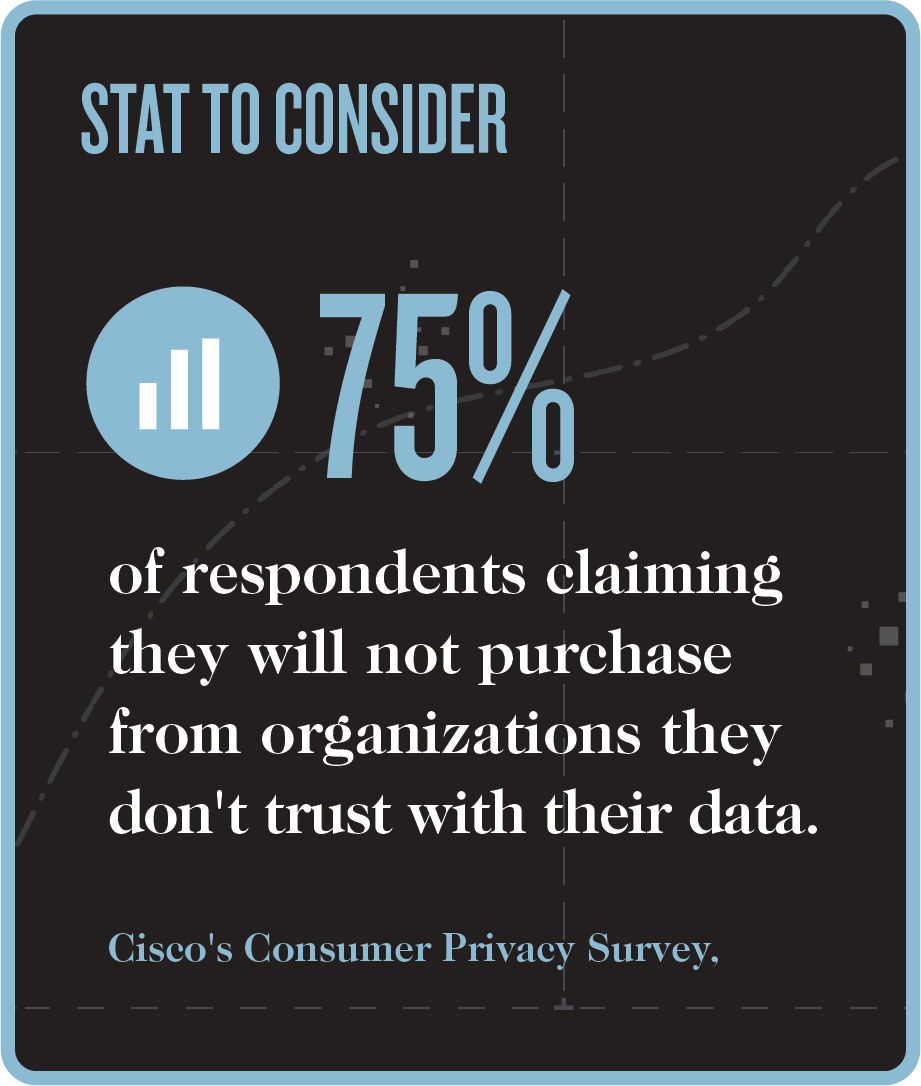
According to Cisco’s Consumer Privacy Survey, many consumers say they consider an organization’s privacy practices when deciding whether to do business with them, with 75% of respondents claiming they will not purchase from organizations they don’t trust with their data.
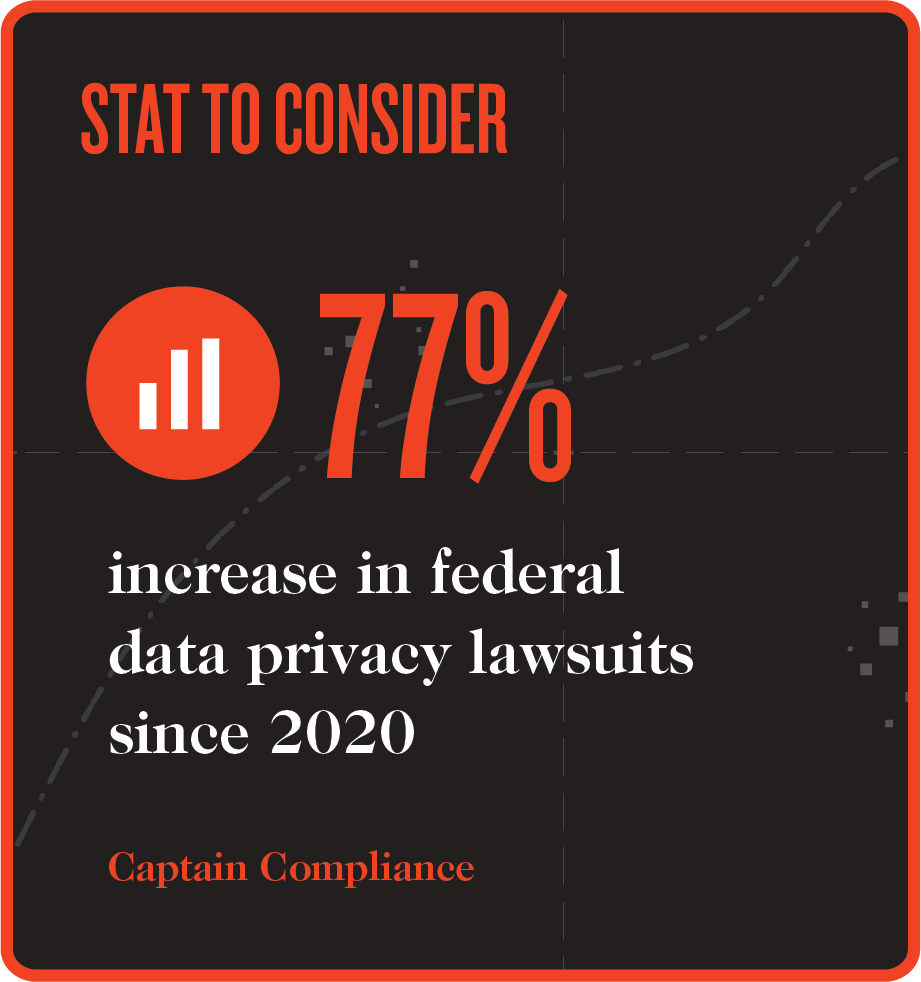
Meanwhile, data privacy litigation continues to grow. A broader analysis estimates that more than 2,500 federal data privacy lawsuits were filed in 2024, representing roughly a 77% increase compared to 2020.
Increasingly, the most resilient organizations are treating privacy as an ongoing part of website governance rather than something to address only after receiving a legal notice. They are reviewing new technologies before deployment, understanding which scripts are running on their websites, evaluating consent practices, and making privacy part of routine website maintenance.
A Proactive Approach to Website Privacy
Rather than waiting until a demand letter arrives, businesses can benefit from periodically reviewing how their websites collect and manage visitor data.
A website privacy and consent audit can help organizations:
- Inventory the tracking technologies currently running on their website.
- Understand which scripts begin loading before visitor consent.
- Review existing cookie banner functionality.
- Identify opportunities to better align with evolving privacy best practices.
- Coordinate technical recommendations alongside legal counsel when appropriate.
Like website security, privacy is becoming something that should be monitored, reviewed, and maintained over time rather than addressed only when problems arise.
Website privacy is no longer just an IT or legal conversation. It is becoming an important part of responsible digital marketing. The businesses best positioned for the future will not necessarily be those reacting to every new lawsuit or regulatory update. They will be the ones who understand how their websites work, place informed user consent at the center of their digital strategy, and build trust through transparent, thoughtful data practices.